
Liquid Gold: How 1850s Mining Ditches Water Your Property Today
If you're touring a property in Nevada County with NID (Nevada Irrigation District) water, you're looking at a piece of Gold Rush history that still works for a living.
The ditch running along the back fence or the irrigation box at the edge of the pasture may feel like just another line on the disclosure packet. But much of the system that delivers that water was dug by hand more than 150 years ago to carry water to the mines. Knowing that story, and knowing what to check, can help you buy with confidence.
From mining ditches to your backyard
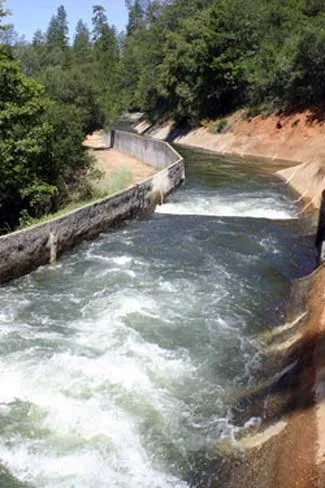
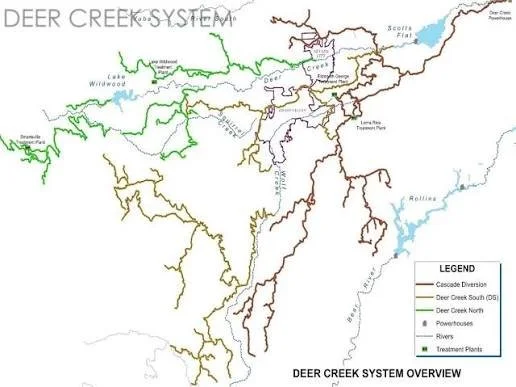
NID is a 1920s creation, but much of what it runs is older. During the Gold Rush, miners built a web of reservoirs, flumes, and ditches across the Sierra foothills to move water to hydraulic mining operations. When mining faded, much of that network fell into disrepair.
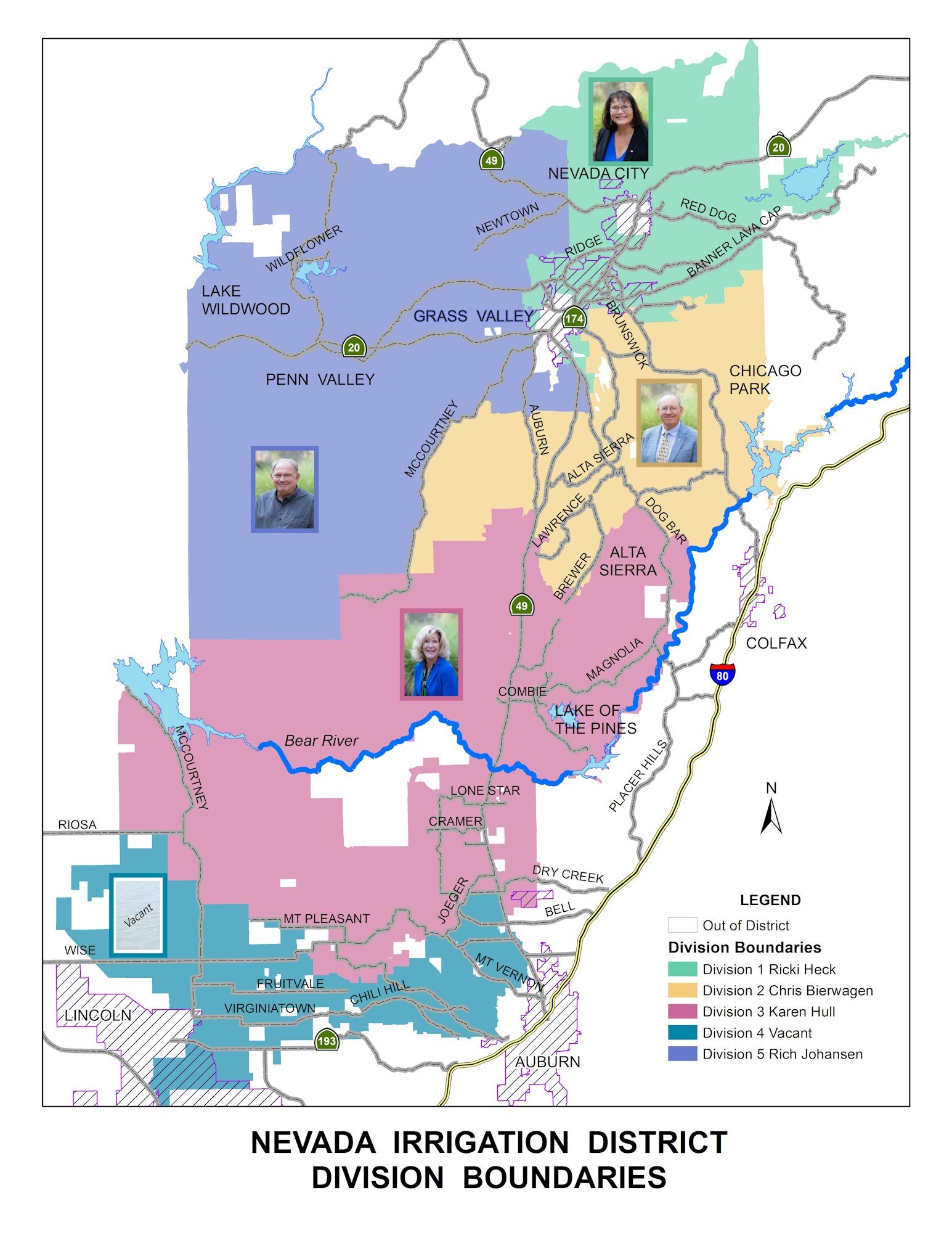
Local residents saw an opportunity. In August 1921, voters approved forming the district, 536 to 163, and NID was officially created on August 15, 1921. The new district used $7.25 million in voter-approved bonds to buy and rebuild old mining-era infrastructure, including Bowman Dam, which it purchased from the Northern Water and Power Company in December 1925.
Those repurposed canals became the backbone of the system that still serves more than 287,000 acres today. So when water shows up at a property's irrigation box, there's a good chance it traveled part of the way through a channel first cut for gold.
What's a miner's inch?
NID still measures irrigation water in miner's inches, a unit left over from the mining days. One miner's inch equals 11.22 gallons per minute, delivered around the clock.
That adds up fast. A single miner's inch running all day works out to roughly 16,000 gallons. You'll see this unit on NID paperwork and in listing details, so it helps to know what it means before you compare properties.
Five things to check before you buy
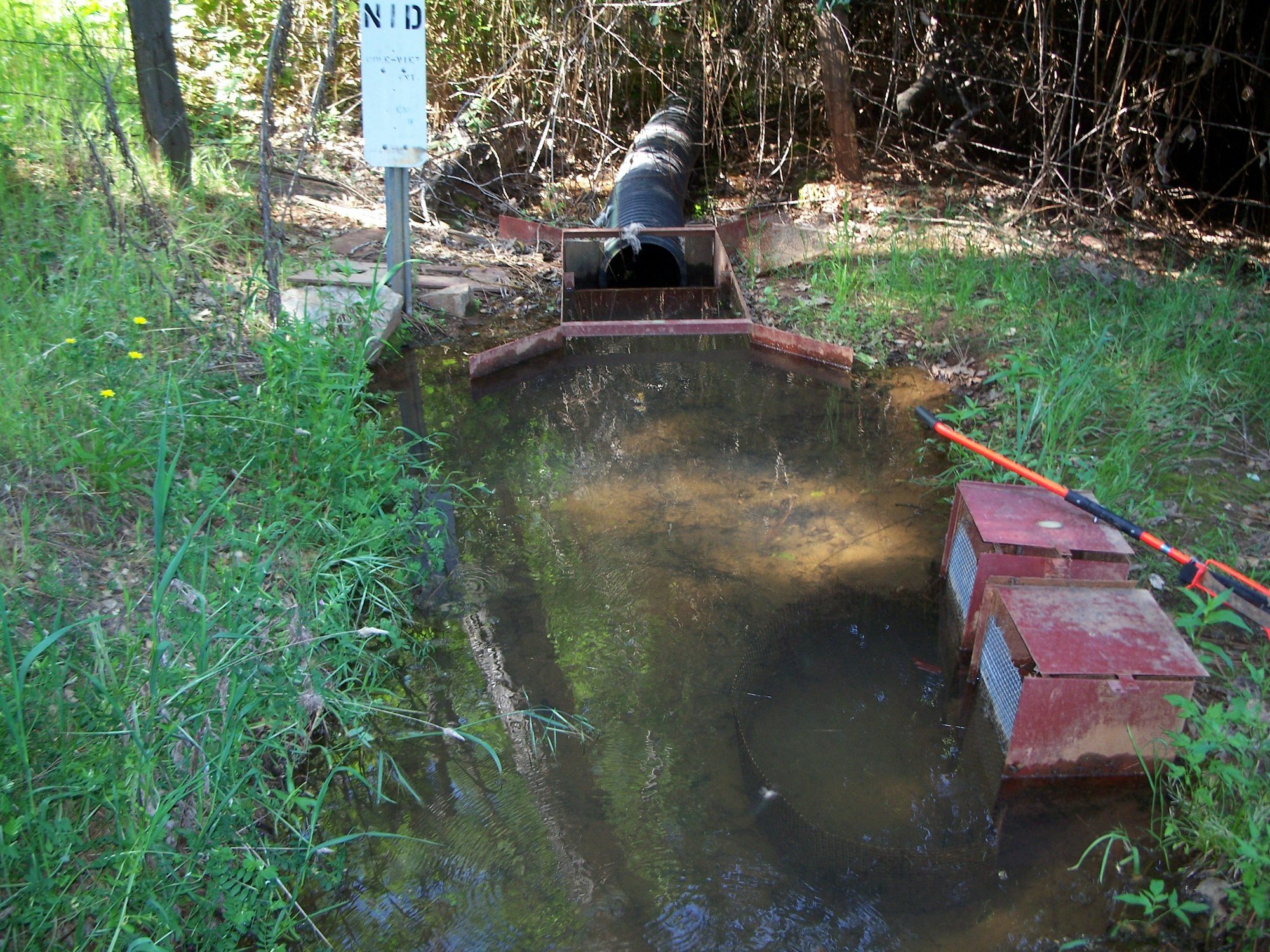
Raw irrigation water or treated domestic water? NID provides both, and they aren't the same thing. Irrigation water is meant for pastures, gardens, and livestock. Find out which service the property actually has, and where its drinking water comes from.
Is delivery seasonal? NID's irrigation season typically runs from mid-April to mid-October. Year-round water isn't automatic, so ask whether the property has winter service too.
What's attached to the parcel? Ask what NID service and allotment the property carries, measured in miner's inches, and how it transfers to a new owner. This affects both how you can use the land and what it's worth.
Are there canal or ditch easements? A canal crossing the parcel can come with an easement that limits where you build, fence, or plant. Check the title report and ask NID about right-of-way.
What condition is the delivery setup in? Walk the property and look at the service box, pipes, and any ditch on site. Ask the seller how the water has actually been used and whether service has been active.
An asset, not a red flag
Old infrastructure can sound like a warning sign, but NID water is usually the opposite. Out here, reliable irrigation is a real asset. It can mean green pasture through a dry summer, a productive garden or orchard, and room for animals.
Established NID service can make a property more valuable, not less. The key is knowing exactly what comes with the parcel before you're in contract, so you can weigh it properly and avoid surprises after closing.
Thinking about a property with NID water?
I'd love to help you figure out what comes with it. Call or text 503-559-0052.
Heidy Adams | eXp Realty | Nevada County, CA | @heidyadams
This post is general information only. Always confirm the specific water service, allotments, and easements for a property directly with NID and a qualified professional.